Dismiss Modal

Nutrition

Kidney Disease: Balancing Calcium and Phosphorus

Choose a preferred language

Calcium and phosphorus are minerals found in many foods. Your body works best when these minerals are in balance. If you have kidney disease, phosphorus may build up in your blood and calcium is pulled out of your bones. This can make your bones weak over time. To help keep your bones strong, control the amount of phosphorus in your body. This sheet tells you how.


Take phosphate binders
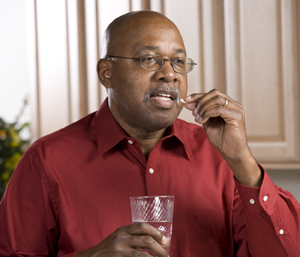
Man putting pill in his mouth while holding glass of water.

Phosphate binders are medicines that stick to the phosphorus in the food you eat. This keeps the phosphorus from being absorbed into your body. Instead, the phosphorus passes from your body with stool (solid waste). For best results, keep these tips in mind:

☐ Use only the type of phosphate binder that your healthcare provider recommends. The type of binder that you should be taking is ___________________________.

☐ Always take phosphate binders as directed.

☐ Take phosphate binders with meals.

☐ Other: _________________________.

☐ Phosphate binders can cause constipation. You may need to eat more fiber or take stool softeners.

Limit these foods

Don't eat these foods

To keep calcium and phosphorus in balance, limit the amount of phosphorus you eat. To do so, eat less of the following foods:

  • Milk

  • Chocolate

  • Cheese

  • Beer

  • Yogurt

  • Soybeans

  • Ice cream

Some foods are so high in phosphorus that you may need to stop eating them. Talk with a registered dietitian before eating these foods:

  • Cola drinks

  • Dried or baked beans

  • Nuts and seeds of all kinds

  • Peanut butter

  • Split peas

  • Whole-grain cereals

© 2000-2026 The StayWell Company, LLC. All rights reserved. This information is not intended as a substitute for professional medical care. Always follow your healthcare professional's instructions.
Related Articles
Read article
Wellness
Ileostomy: Nutritional Management

You don't have to eat a special diet just because you've had an ileostomy. Most foods, chewed well and eaten slowly, won't give you problems, unless they did before. But you may need to be more aware of foods that make your stool more watery than normal and foods that cause gas or odor. You also need plenty of fluids and vitamins.

Read article
Wellness
Low-Salt Choices

Here are some ideas for low-salt foods you can easily prepare yourself.

Read article
Wellness
Discharge Instructions: Eating a Low-Copper Diet

If you have Wilson disease, you may be prescribed a low-copper diet. This sheet can help you get started.

Read article
Wellness
Eating the Right Number of Calories

Calories are a measure of the energy you get from food. If you eat more calories than you use, you will gain weight. If you eat fewer calories than you use, you will lose weight.