Around this time, you may start to look pregnant. Your baby is now able to pass urine. And the first stool
(meconium) is starting to collect in your baby's intestines. Hair is starting to grow on your baby's head.
|
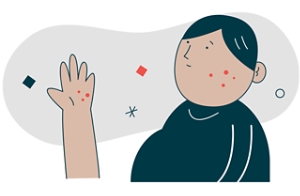
You may notice some skin changes, such as itchy spots on your palms or acne on your face. |
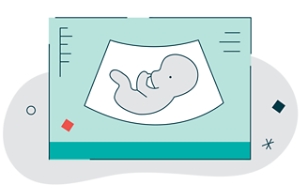
At your next doctor visit, you may have an ultrasound. So you might think about whether you want to |

How to reduce stress
-
Ask for help when you need it.
-
Try to avoid things that cause you stress.
-
Seek out things that relieve stress, such as breathing exercises or yoga.
How to get exercise
-
If you don't usually exercise, start slowly. Short walks may be a good choice.
-
Try to be active 30 minutes a day, at least 5 days a week.
-
Avoid activities where you're more likely to fall.
-
Use light weights to reduce stress on your joints.

How to stay at a healthy weight for you
-
Talk to your doctor or midwife about how much weight you should gain.
-
It's generally best to gain:
-
About 28 to 40 pounds if you're underweight.
-
About 25 to 35 pounds if you're at a healthy weight.
-
About 15 to 25 pounds if you're overweight.
-
About 11 to 20 pounds if you're very overweight (obese).
-
Follow-up care is a key part of your treatment and safety. Be sure to make and go to all
appointments, and call your doctor if you are having problems. It's also a good idea to know your test results
and keep a list of the medicines you take.
Current as of: July 10, 2023
Content Version: 14.0
Care instructions adapted under license by your
healthcare professional. If you have questions about a medical condition or this instruction, always ask
your healthcare professional. Healthwise, Incorporated disclaims any warranty or liability for your use of
this information.