Caring for your other leg is as important as caring for your limb. The skin or circulation problem that may have led to the amputation could develop in your other leg, too.
Skin care
-
Clean and check your skin every day, just as you do the skin on your limb.
-
Use a mirror to check your foot for cracks and sores.
Foot care
-
Wear a firm shoe with a low heel and a closed toe to prevent cuts and infections.
-
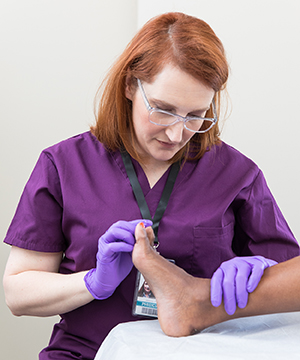
Trim your toenails often so they don’t become ingrown. Cut straight across the nail. Your healthcare provider or physical therapist may advise having this done by a foot specialist (podiatrist).

Orthopedics CTA
Find a DoctorRelated Articles
Back Safety: Sitting
Sitting can strain your back if you don't do it right. Learn the right moves to protect your back.
The Side-Bend Stretch: A Gentle Exercise
Follow these step-by-step instructions for the side-bend stretch. This exercise stretches and strengthens the intercostal muscles, which help support the ribs.
Pendulum (Flexibility)
Follow this step-by-step exercise to increase your shoulder flexibility.
Self-Care for Strains and Sprains
Most minor strains and sprains can be treated with self-care. But if you have torn tissue or damaged blood vessels, nerves, or bones, be sure to call your healthcare provider.