Cystic fibrosis (CF) can cause problems with the pancreas, liver, and other digestive organs. These problems can affect how your body absorbs nutrients and fats. Good nutrition can help offset some of these problems. It can also improve your immune system and help fight infection. And with CF, you need to take in a lot more calories than a person who doesn't have CF. Here's how you can plan your daily diet.
Eating healthy foods
Work with a nutritionist to find out your nutritional needs. You should see your nutritionist at least once a year. See them more often if you need to make any changes.
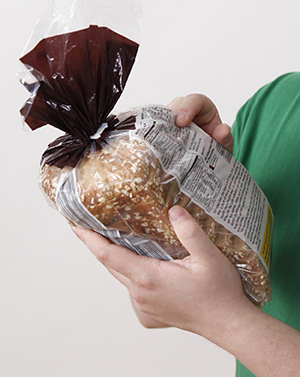
You can eat as normal a diet as possible. But make sure it is varied and rich in protein and calories. Here are some good foods to eat:
-
Fresh fruits and vegetables
-
Foods high in calcium, such as dairy products or juice fortified with calcium
-
Foods high in iron, such as fortified cereal, meat, and deep-green vegetables
-
Salty meals and snacks
-
Foods high in zinc, such as meat, liver, eggs, and seafood
-
Foods high in fat
Don’t eat foods with trans fat. Check food labels. Trans fat can increase inflammation of the airways in your lungs.
Adding calories
People with CF need more calories in their diet. This is because it takes more energy to breathe and fight lung infections. It also helps to make up for problems that CF causes with digestion. You may need up to 2 times more calories than a person without CF. And you will need extra calories when you’re sick. If you need to gain weight, add an extra 500 calories a day. Eat 3 meals and 2 to 3 snacks a day. Ask your care team what your calorie goal is. Here are some high-calorie foods to add to your diet:
-
Butter
-
Cheese
-
Nuts
-
Nut butters
-
Avocado
-
Eggs
-
Whole milk (full-fat)
If you have trouble keeping your weight up, liquid supplements can help you add calories. You can buy liquid supplements that are ready to drink. Or you can mix powders into drinks. You may also need tube feedings at night to add calories. Your health care provider will talk with you about this if you need it.
Replacing pancreatic enzymes
Your pancreas may not make enough enzymes. This can cause problems such as:
-
Greasy, strong-smelling stools.
-
An urgency or increased frequency to use the bathroom.
-
Stomach cramping.
-
Diarrhea.
If not treated, this enzyme deficiency can lead to serious problems. You may end up with a bowel blockage, which can require surgery. For this reason, you may need replacement pancreatic enzymes. These enzymes help the body break down carbohydrates, protein, and fat. They help your body better absorb nutrients.
Your health care provider will give you these enzymes if needed. They come in pill form. You may need to take them with every meal and snack.
Taking vitamins
It’s harder for a person with CF to get needed nutrition from foods alone. You may have to take vitamins once or twice a day, or as your health care provider directs. These include vitamins A, D, E, and K. These are fat-soluble vitamins. Talk with your provider about how much to take and which brands are easy to absorb.
Getting enough sodium
People with CF lose a lot of salt through their sweat, especially during hot weather or exercise. They often need to eat more salt. You can add salt to your foods with a salt shaker. Or you can choose more salty meals and snacks. Ask your care team how much salt is right for you.
Drinking enough fluids
Your body also needs plenty of fluids to keep working well. Stay hydrated with water, milk, juices, sports drinks, and tea or coffee. Don’t wait until you feel thirsty to drink. You can also get fluids from foods such as soup and fruits. Drink more if you have:
-
Not enough urine.
-
Dark-yellow urine.
-
Headache.
-
Tiredness.
When to contact your doctor
Contact your health care provider right away if you have any of these:
-
Constipation, stomach pain, or other signs of an intestinal obstruction
-
Trouble gaining weight
-
Weight loss even after following nutritional guidelines
-
Two or three loose stools a day, or a change in the size or firmness of stools