Substance Use Disorder: Your Treatment Options
Substance use disorder can be treated in many ways. No one treatment works for all people. What may work best for you can depend on many things. Treatment for most people may be done with more than 1 tool. These can include medicine and lifestyle changes. They can include individual, family, and group therapy. Treatment can take place in different types of care settings. Learn more about your options below.
Medicines
Medicines can help with withdrawal symptoms. These help people who are trying to stop using a substance that's addictive. They can ease your cravings. They can blunt the effects of a substance.
Medicines for treatment include:
|
Type of substance
|
Medicine
|
|
For heroin and other opioid use disorders
|
-
Methadone
-
Buprenorphine
-
Naltrexone
|
|
For alcohol use disorder (alcoholism)
|
-
Acamprosate
-
Disulfiram
-
Naltrexone
|
|
For nicotine withdrawal
|
|
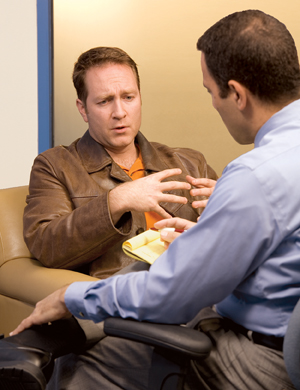
Types of therapy and support
-
Motivational Interviewing. This is a type of counseling that encourages you to change your behavior. The goal is to explore and resolve any mixed feelings you have about quitting drug or alcohol use. The therapist helps you figure out and focus on your personal reasons for wanting to change.
-
Cognitive behavioral therapy (CBT). In CBT, you work on your problem behaviors. And you learn ways to change those behaviors. For example, if anger or stress makes you want to drink, a therapist can help you learn healthy ways to manage those feelings.
-
Community reinforcement approach (CRA). This therapy uses vouchers help you follow a drug- or alcohol-free lifestyle. With each clean urine sample, you get a voucher to use for a reward. This helps you stay drug- or alcohol-free while you learn new life skills.
-
Community reinforcement and family training (CRAFT). This therapy counsels and trains your family. The therapist teaches them how to motivate you to seek or continue treatment. This therapy also helps your family recognize family situations that may encourage you to drink or use drugs.
-
Mutual support groups. These groups are run by people who are in recovery. Their goal is to support each other emotionally and socially. They share their experiences with substance use and recovery. They mentor others through the recovery process. Many of these groups are based on a 12-step process. There are many types of groups. Alcoholics Anonymous (AA) is an example. Some areas have gyms and fitness programs for the person in recovery. Members support each other in sobriety through exercise and fellowship. Some give support for healthy eating. They offer a chance to do community service.
-
Individualized drug counseling (IDC). This is a common type of therapy. It treats addiction as a disease. And it works on spiritual growth and behavior change using a 12-step process.
Places for treatment
Your healthcare provider will look at your needs. They will advise which of these can work best for you:
-
Outpatient care. This may include weekly counseling in a healthcare office. Or you may have more types of sessions that happen more often. This is called intensive outpatient treatment.
-
Inpatient care. This may include a hospital stay. This is done to manage withdrawal with medicine. Or you may go to a residential treatment program.
Online Medical Reviewer:
Fraser, Marianne, MSN, RN
Online Medical Reviewer:
Perez, Eric, MD
Date Last Reviewed:
6/1/2022
© 2000-2024 The StayWell Company, LLC. All rights reserved. This information is not intended as a substitute for professional medical care. Always follow your healthcare professional's instructions.